Understanding the Role of Trees in Environmental Health
Trees play a crucial role in maintaining environmental balance. They act as natural air filters, improving the quality of the air we breathe. Moreover, trees help combat climate change by absorbing carbon dioxide and releasing oxygen. Their ability to store carbon makes them an essential tool in reducing greenhouse gases. As urban areas expand, incorporating more green spaces becomes vital. The benefits extend beyond aesthetics, providing shade, cooling urban heat islands, and supporting biodiversity.

The Impact of Trees on Air Quality
Trees significantly improve air quality by absorbing pollutants like sulfur dioxide, ammonia, and nitrogen oxides. Through their leaves and bark, they trap harmful particles and purify the air. This process not only cleans the atmosphere but also contributes to public health by reducing respiratory issues. In cities where pollution is high, the introduction of more trees can lead to substantial improvements in air quality. It is through tree planting initiatives that communities can see these positive changes.
How Trees Help Mitigate Climate Change
Climate change presents a global challenge, but trees offer a natural solution. By capturing carbon dioxide during photosynthesis, trees reduce the amount of this greenhouse gas in the atmosphere. Additionally, trees release oxygen, making the air healthier for all living beings. Large-scale tree planting projects have been shown to lower temperatures locally and globally. These efforts are essential for slowing down climate change and protecting our planet for future generations.
Challenges in Implementing Tree Initiatives
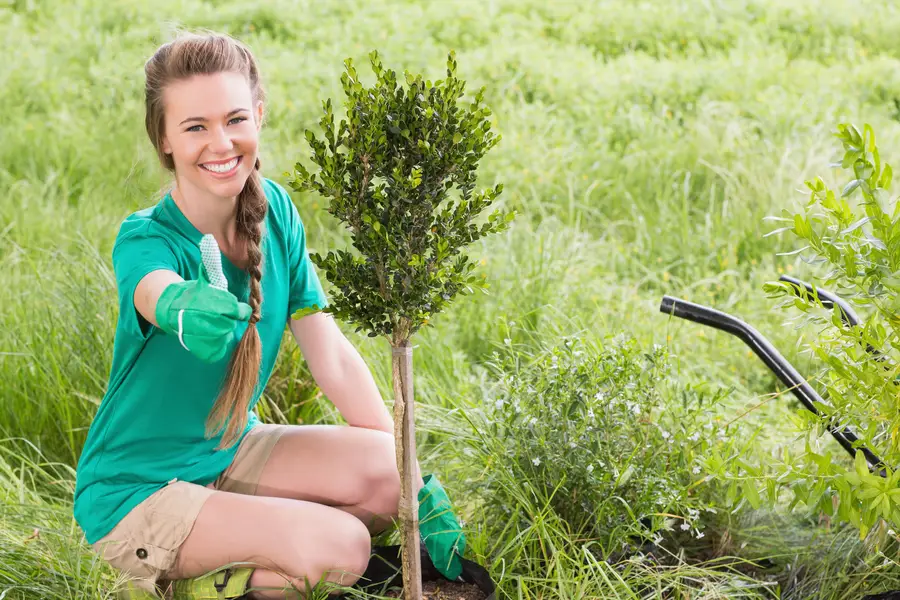
Despite the obvious benefits, there are challenges to implementing widespread tree initiatives. Urban planning must consider space limitations and soil conditions. Furthermore, maintenance and funding are critical factors that can hinder progress. Without proper care, young trees may not survive long enough to provide their full benefits. It is crucial for communities to engage in collaborative efforts with local governments to overcome these obstacles and promote sustained growth.
Tips for Successful Tree Conservation Projects
- Choose native species that adapt well to local climates and soils.
- Engage community volunteers for planting and maintenance activities.
- Partner with businesses and organizations for funding support.
- Implement educational programs to raise awareness about tree conservation.
The Importance of Regulations and Standards
To ensure successful tree planting endeavors, adherence to industry standards and regulations is necessary. Guidelines often dictate how trees should be planted, maintained, and protected against diseases or pests. Awareness of local ordinances regarding tree removal or land use can prevent legal issues. Following these standards helps maintain healthy ecosystems and enhances urban landscapes.
A Cost-Effective Solution
While initial costs may seem significant, investing in trees provides long-term economic benefits. Trees increase property values, reduce energy costs by providing shade, and decrease stormwater runoff expenses. When considering return on investment, the value added by trees far outweighs the upfront costs. Community members should view tree planting as a strategic investment in their environment’s future health.
Join Us in Making a Difference With Trees
Your involvement in tree conservation can lead to significant environmental improvements. With AB Tree Service LLC at your side, you can contribute to cleaner air and a healthier climate. Based in Kansas City, KS, we are dedicated to enhancing our community’s green spaces. Contact us at (913) 243-4663 to learn more about how you can participate in our tree planting initiatives.