The Effects on Surrounding Earth and Ecosystem
Tree removal can leave behind tree stumps, which some people choose to grind down. This process might seem simple, but it affects more than just the surface of your yard. Understanding what happens to the soil after a stump is ground down helps you prepare for potential changes in your garden or landscape. Let’s explore what you can expect and how these changes can influence the surrounding ecosystem.
Impact of Removing Stumps on Soil Health
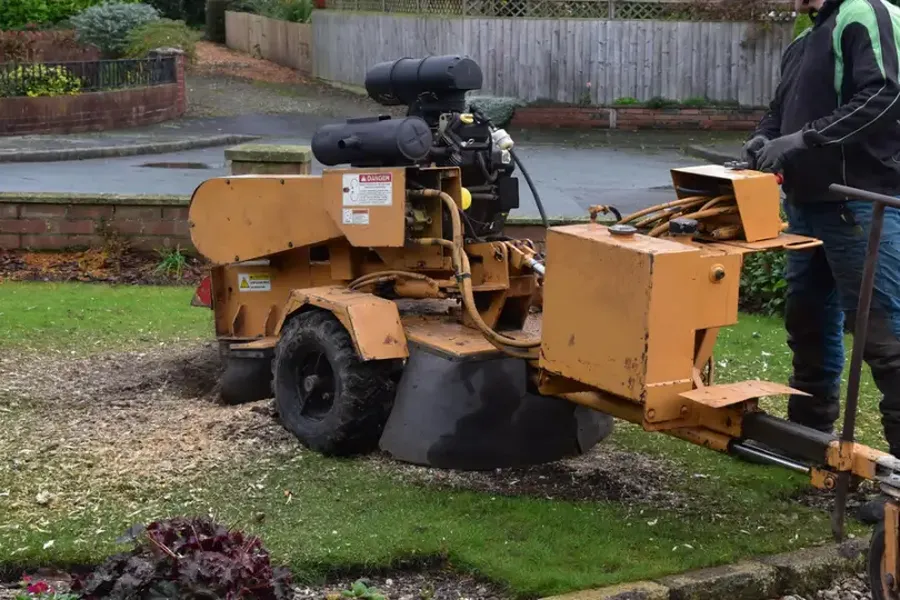
The removal of tree stumps through grinding has a notable impact on the soil. The practice involves using machinery to shred the stump into small wood chips that mix with the soil. The decomposition of this organic material enriches the soil over time. It adds nutrients back into the ground, which can be beneficial for plants in the area. However, if not managed properly, these wood chips may also hinder new plant growth by competing for nitrogen as they break down.
Influence on Soil Structure
After tree stump grinding, the immediate change observed is in the soil’s structure. The area becomes loose and possibly uneven due to the absence of the root system that once held the earth together. Loose soil makes it challenging for new plants to establish themselves without additional preparation or stabilization efforts. You might need to add topsoil to level the ground and support future planting activities.
Nutrient Balance Alterations
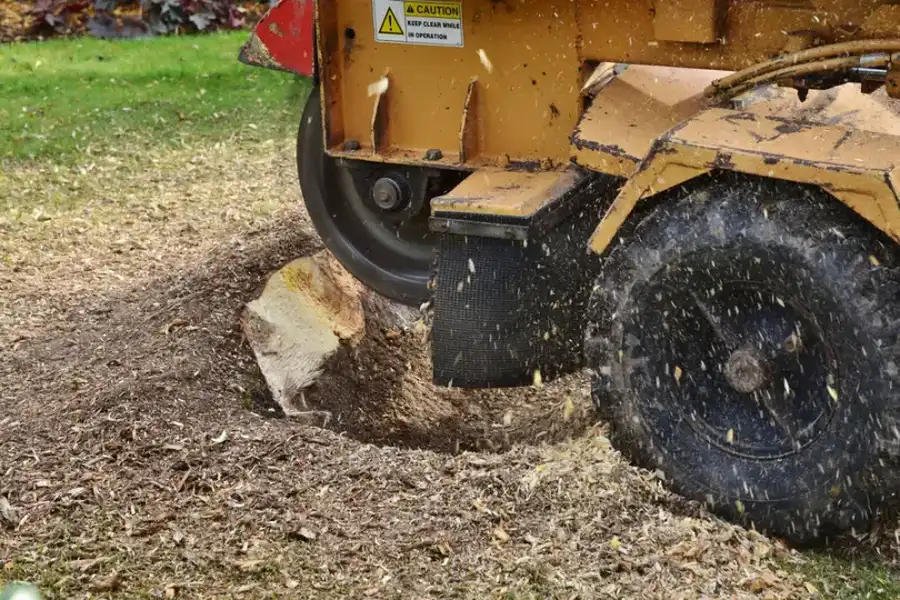
The introduction of wood chips from tree stump grinding significantly influences the nutrient balance within the soil. As these chips decompose, they temporarily draw nitrogen from the soil, potentially affecting other plants’ growth nearby. To counteract this effect, consider supplementing your soil with a nitrogen-rich fertilizer. This will ensure that any plants or grass planted afterward have access to adequate nutrients for healthy development.
Steps to Restore Soil Fertility
- Aerate the soil to improve air circulation.
- Add compost to boost microbial activity and nutrient content.
- Monitor pH levels to maintain optimal growing conditions.
- Introduce organic fertilizers to replenish essential nutrients.
Potential Challenges Post-Grinding
While tree stump grinding offers various benefits, it also presents challenges that need addressing. One of the main issues includes managing leftover wood chips effectively. If left unchecked, these chips can take several months to decompose completely, delaying replanting efforts in that area. Additionally, water drainage problems might arise if the ground remains too compacted after grinding.
Best Practices for Soil Rehabilitation
To maximize benefits after tree stump grinding while minimizing issues, follow some best practices. Firstly, remove excess wood chips once grinding is complete. Secondly, incorporate organic matter like compost into the soil immediately to accelerate recovery. Lastly, regularly test soil quality using kits available at garden centers to stay informed about its condition and make necessary adjustments promptly.
Caring for Your Garden After Stump Removal
Your role doesn’t end once the tree stump is gone; maintaining good soil health requires ongoing effort. Regularly watering helps maintain moisture balance, especially crucial during dry seasons. Rotate crops or plants periodically to prevent nutrient depletion in one spot alone. By following these steps diligently, you’ll create an environment conducive to thriving flora throughout your landscape.
Contact Our Team for Expert Assistance
If you’re considering removing stumps from your property and want advice tailored specifically toward preserving soil health, contact us today at (913) 243-4663. Located in Kansas City, KS, our team at AB Tree Service LLC specializes in providing comprehensive solutions designed around individual client needs. Let us help turn your land into productive spaces teeming with life!